Turning a Product Catalogue

into a Decision System
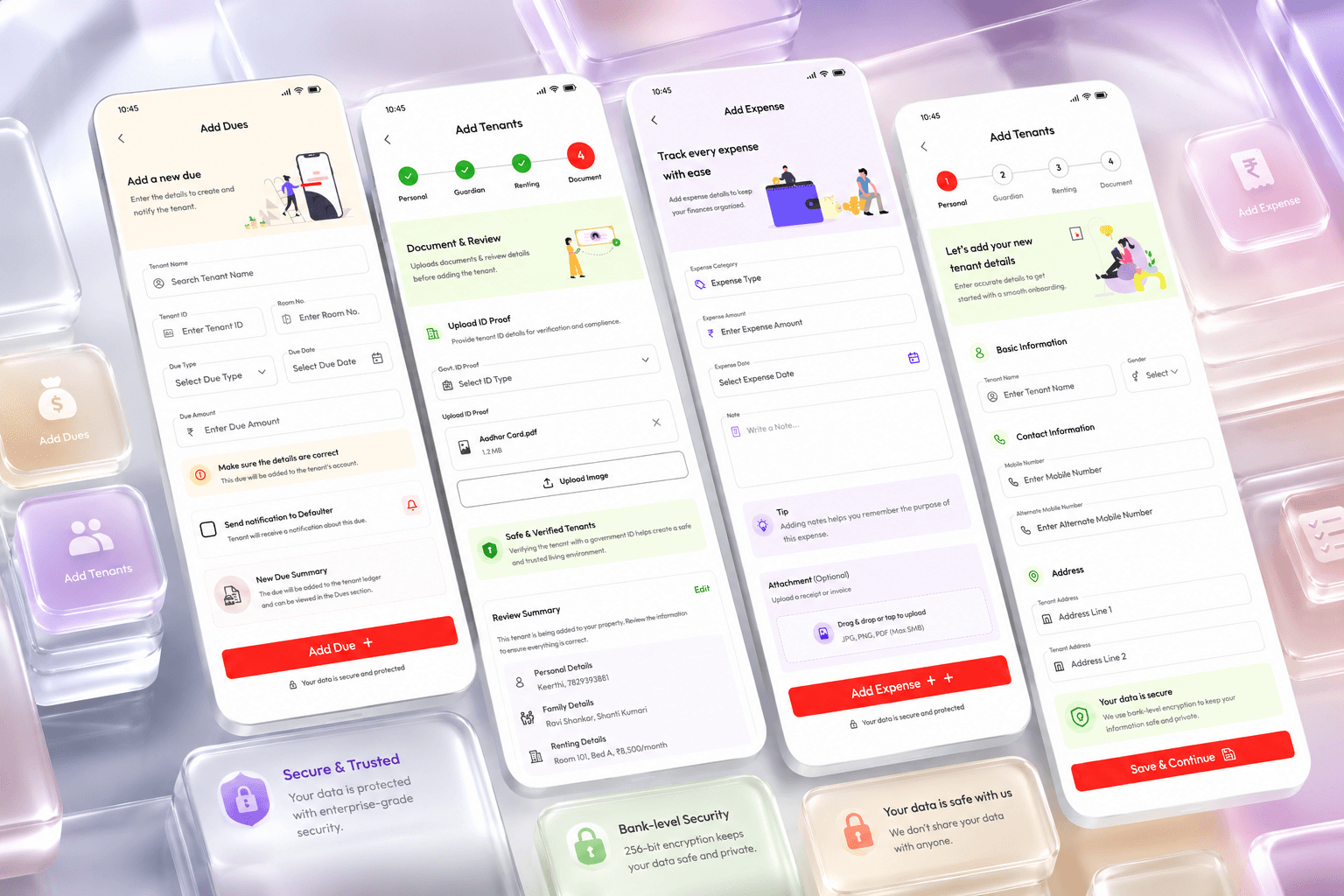
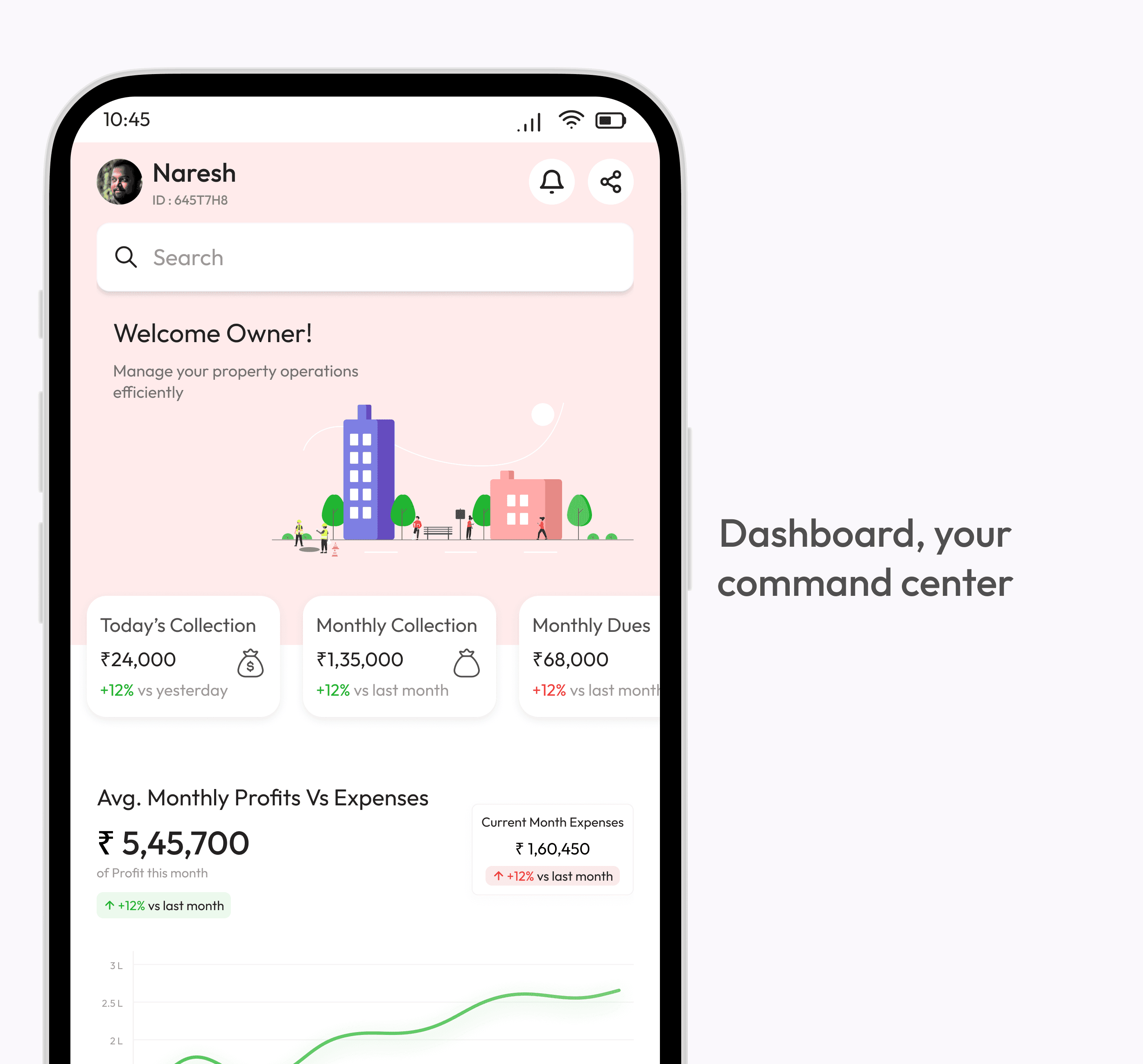
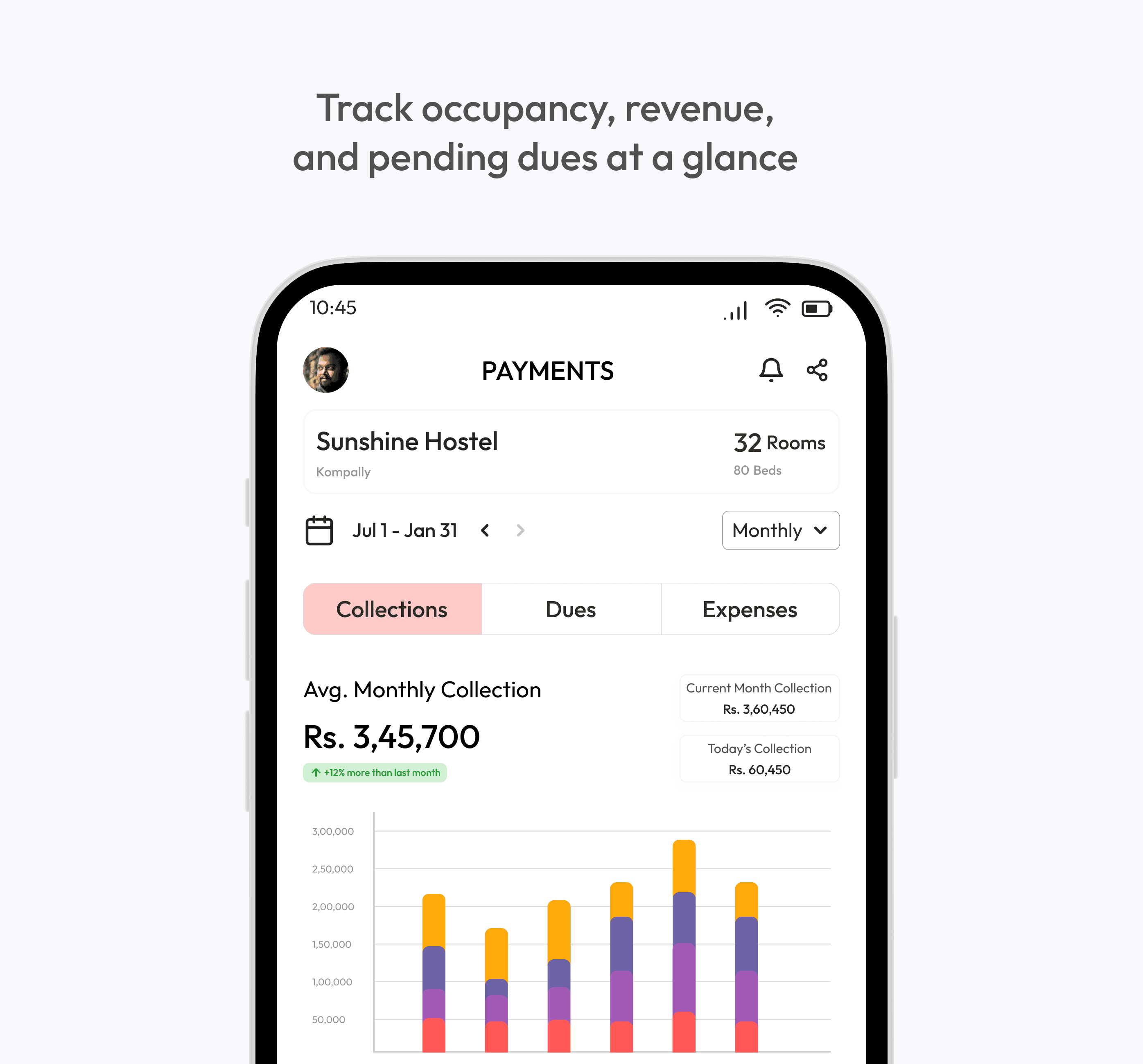
PG/hostel management is a highly operational space involving constant coordination between owners and tenants—rent collection, occupancy tracking, service requests, and financial management.

Despite this complexity, most operations are still handled through informal and disconnected tools.

This project focused on designing a centralized, role-based system to streamline operations and improve visibility across all stakeholders.

PG/hostel management is a highly operational space involving constant coordination between owners and tenants—rent collection, occupancy tracking, service requests, and financial management.

Despite this complexity, most operations are still handled through informal and disconnected tools.

This project focused on designing a centralized, role-based system to streamline operations and improve visibility across all stakeholders.

BUSINESS CHALLENGE

There is no dedicated, end-to-end digital solution for managing PG/hostel operations

There is no dedicated, end-to-end digital solution for managing PG/hostel operations

No single system to manage tenants, dues, payments, agreements, and expenses

No single system to manage tenants, dues, payments, agreements, and expenses

Scaling across properties is complex and unstructured

Scaling across properties is complex and unstructured

Data scattered across spreadsheets and messaging apps, causing poor visibility and errors

Data scattered across spreadsheets and messaging apps, causing poor visibility and errors

Daily operations are repetitive and time-consuming

Daily operations are repetitive and time-consuming

No dedicated platform to track dues or make payments

No dedicated platform to track dues or make payments

Lack of transparency in payment history and services

Lack of transparency in payment history and services

Requests, guest management, and meal details are handled informally, leading to confusion

Requests, guest management, and meal details are handled informally, leading to confusion


USER RESEARCH

To understand how PG operations function in reality, I focused on capturing insights across all three stakeholdersAdmins, Owners, and Tenantssince each plays a critical role in the ecosystem.

To understand how PG operations function in reality, I focused on capturing insights across all three stakeholdersAdmins, Owners, and Tenantssince each plays a critical role in the ecosystem.

I conducted in-depth discussions with the client, observed day-to-day operations, and mapped Admin–Owner–Tenant interactions to identify gaps based on real usage patterns rather than assumptions.

I conducted in-depth discussions with the client, observed day-to-day operations, and mapped Admin–Owner–Tenant interactions to identify gaps based on real usage patterns rather than assumptions.

Fragmented Ecosystem

Each user group operates in isolation, with no shared system connecting them

person writing on white paper

No Source of Truth

Critical data (payments, dues, tenant info) is inconsistent and hard to track

Dues

Dues

Tenant & Owner Info

Tenant & Owner Info

Payments

Payments

Limited Operational Visibility

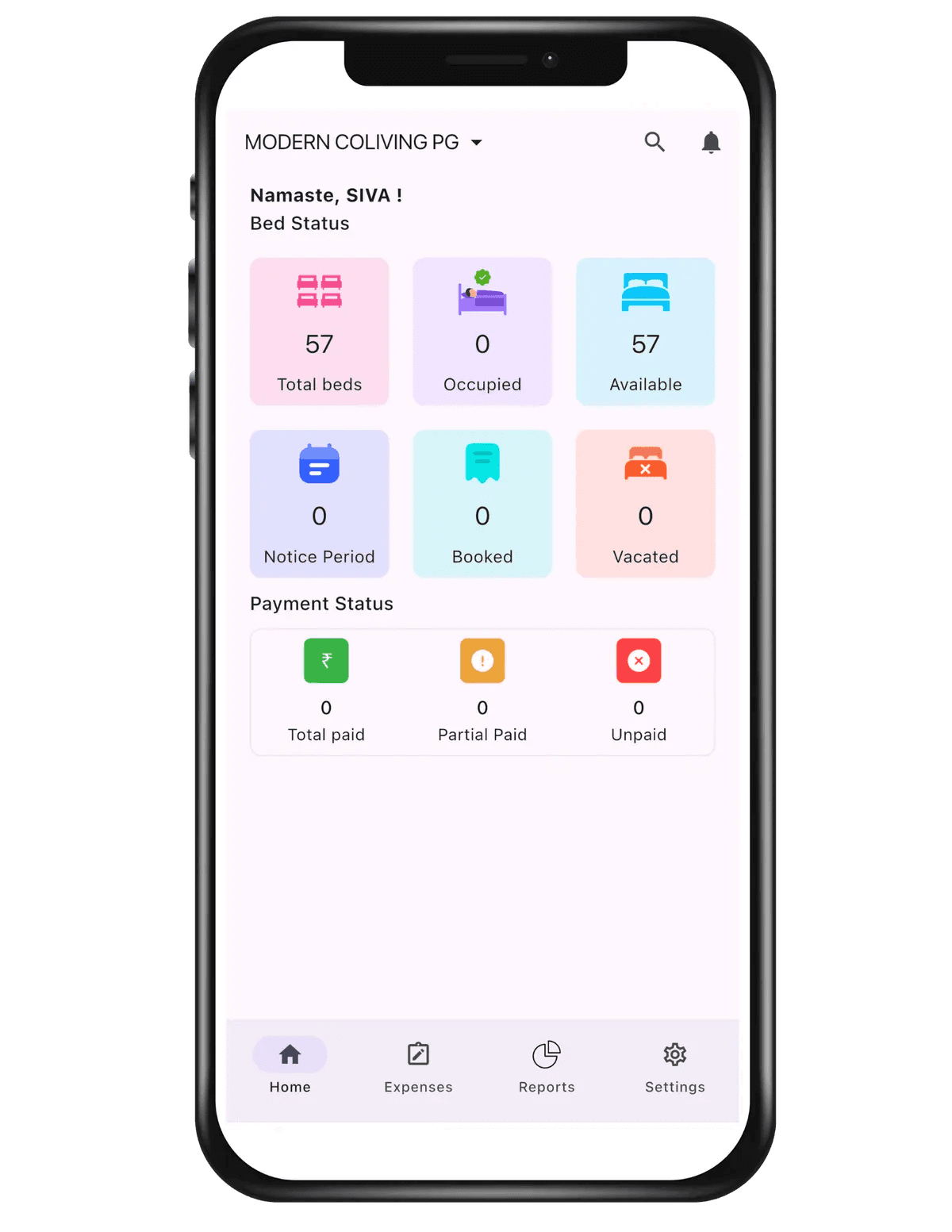
Existing tools do not provide clear or sufficient information on key metrics like beds, occupancy, and availability, leading to gaps in understanding and inefficient decision-making.

person writing on white paper

High Dependency on Manual Communication

Most interactions rely on calls and messages, increasing errors and delays

Lack of Data Security

Tenant and operational information is shared through informal channels, with no secure system in place to manage or protect sensitive data


DESIGN GOALS

The goal was to design a cohesive, role-based system that brings structure to fragmented operations—aligning business control, operational efficiency, and user experience within a single platform.

Rather than treating each interface in isolation, the focus was on defining clear responsibilities across roles while ensuring seamless interaction between them.

Unified, role-based platform

Structuring a fragmented, offline-first ecosystem into a connected, role-driven product with clear ownership, visibility, and flow.

Super Admin Panel
Establish centralized control over the ecosystem—managing owner onboarding, enforcing payment cycles, and maintaining visibility into platform-level performance and access.

Owners
Enable a streamlined operational layer to manage properties, tenants, and finances with clarity—reducing manual overhead and improving day-to-day decision-making.

Tenants
Create a transparent, self-serve experience that minimizes dependency on owners—making payments, tracking dues, and accessing services intuitive and frictionless
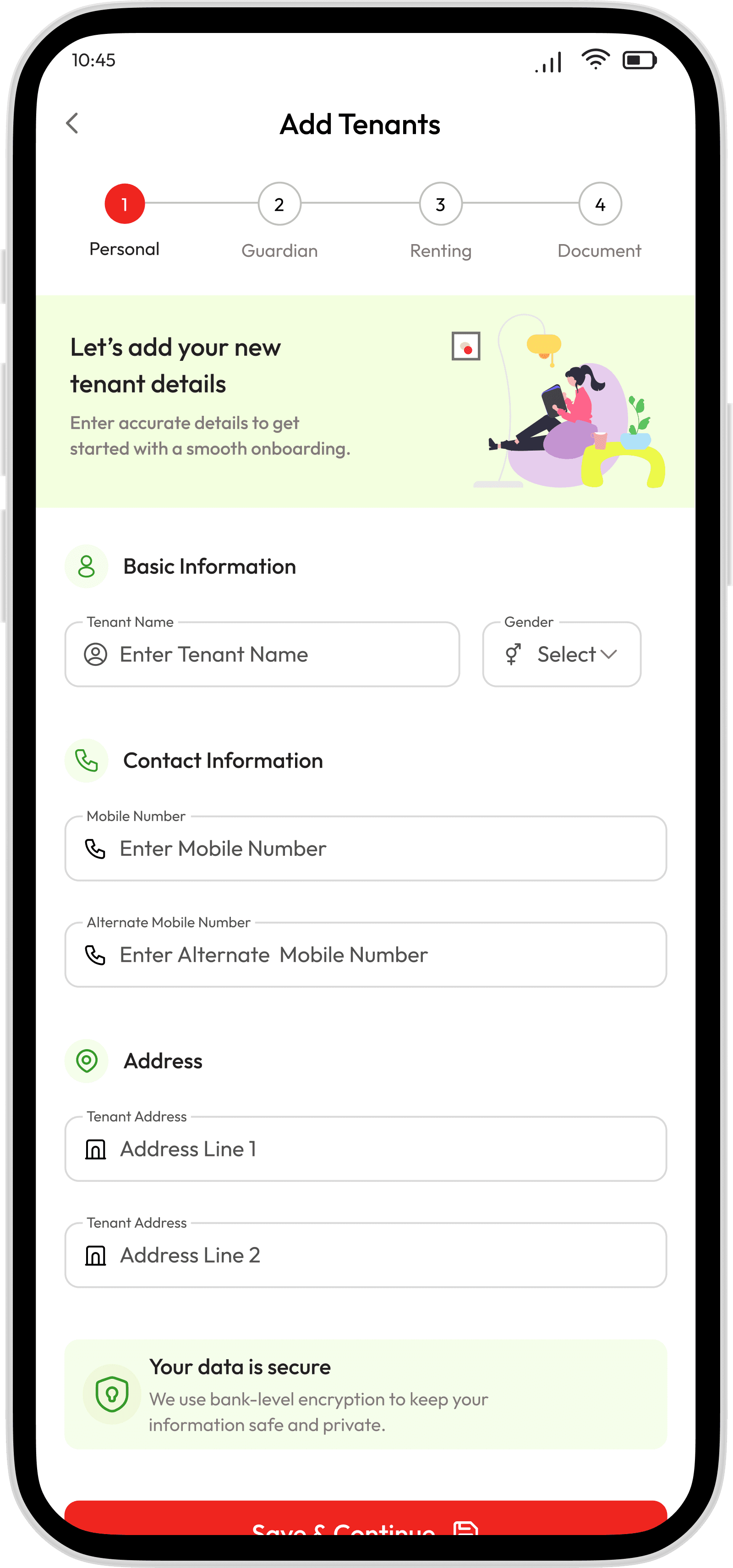
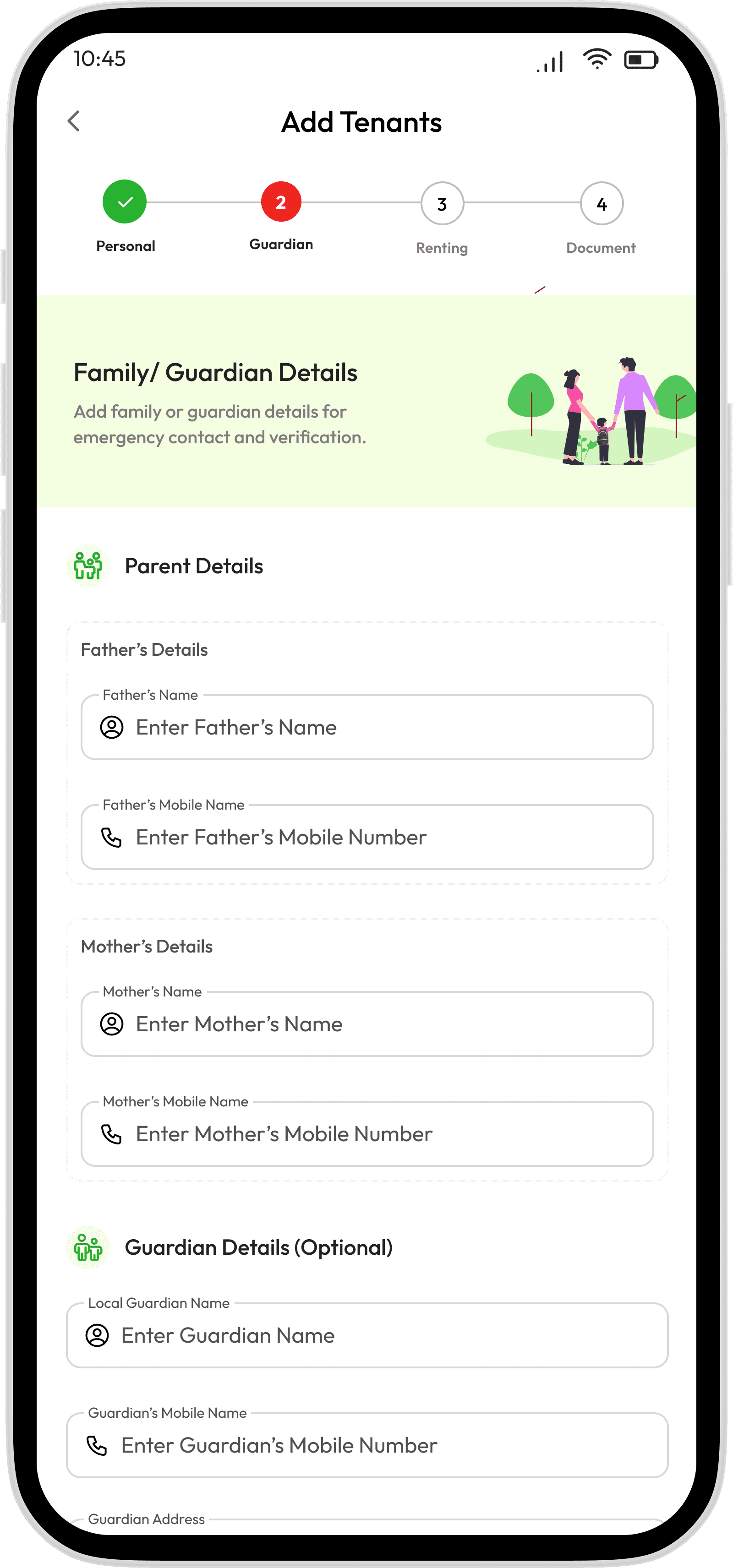
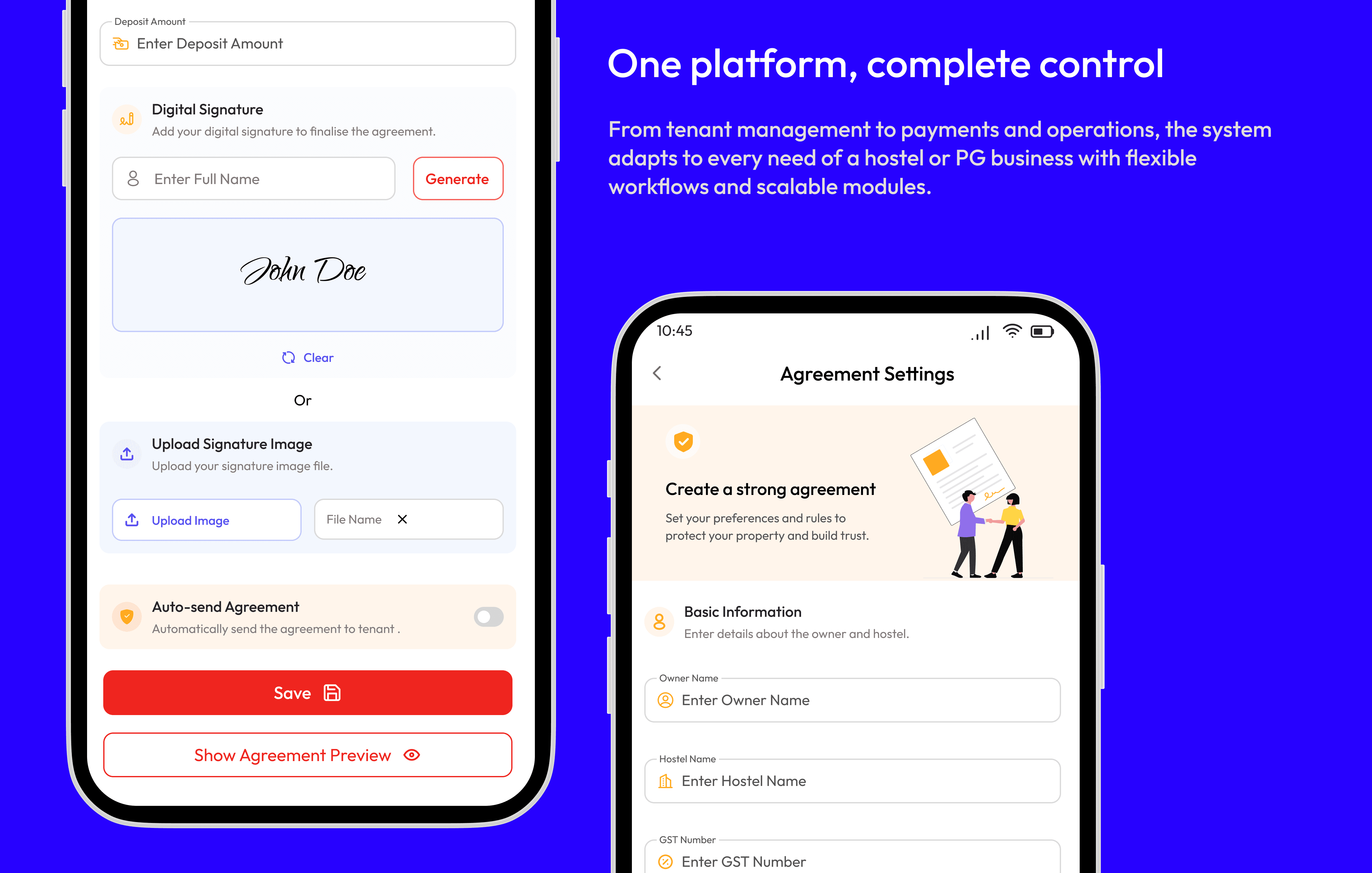
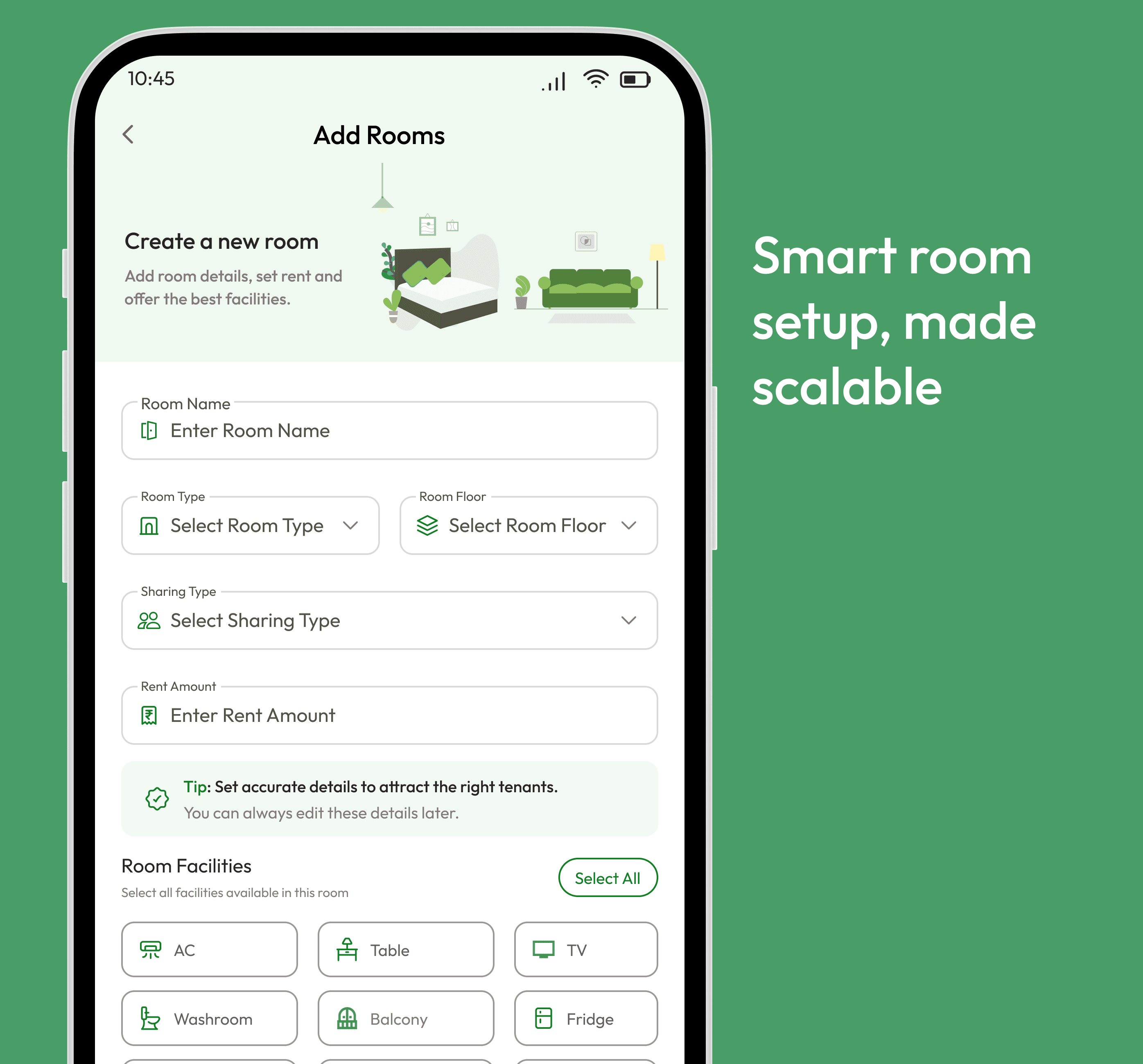
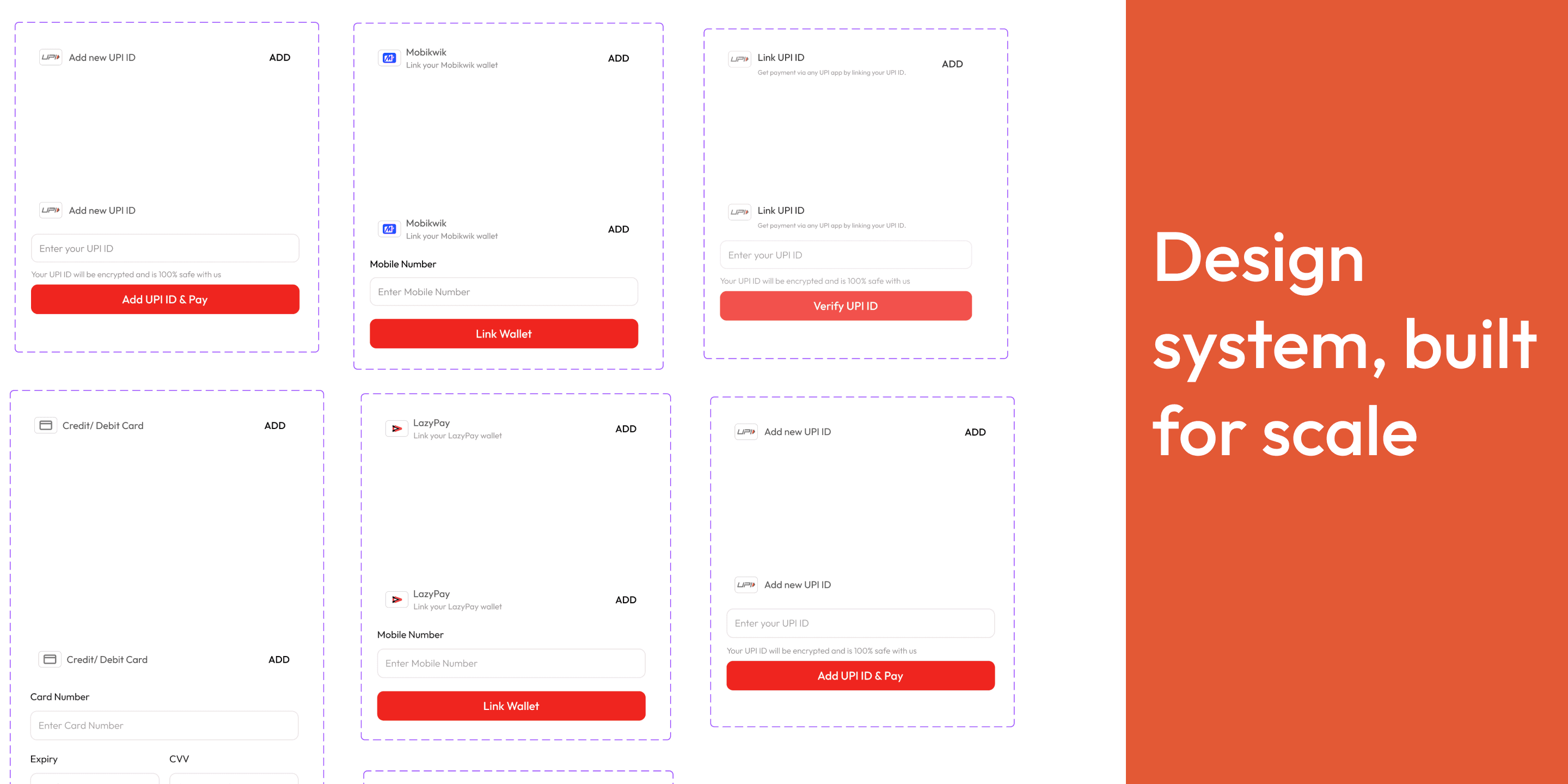
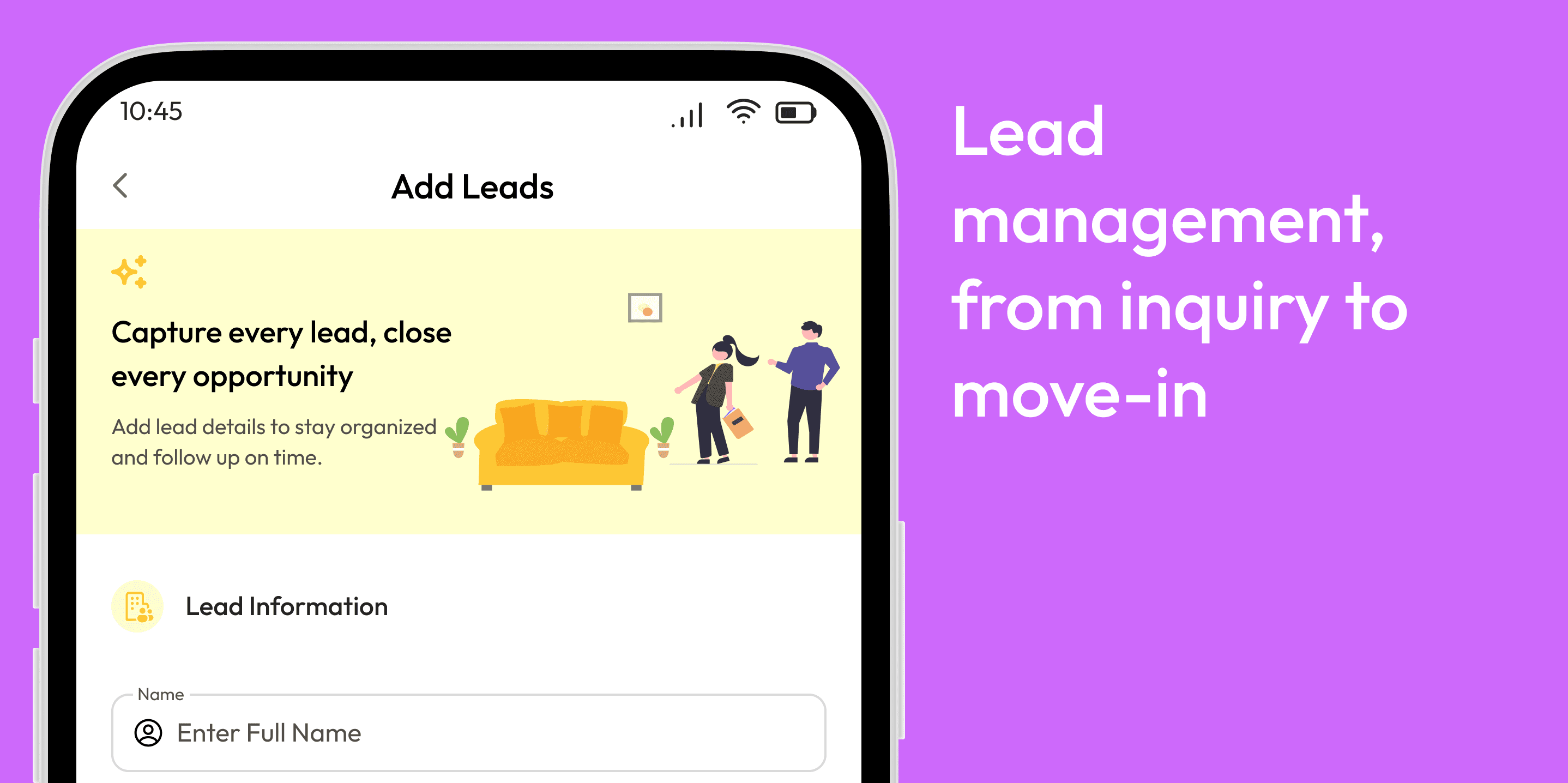
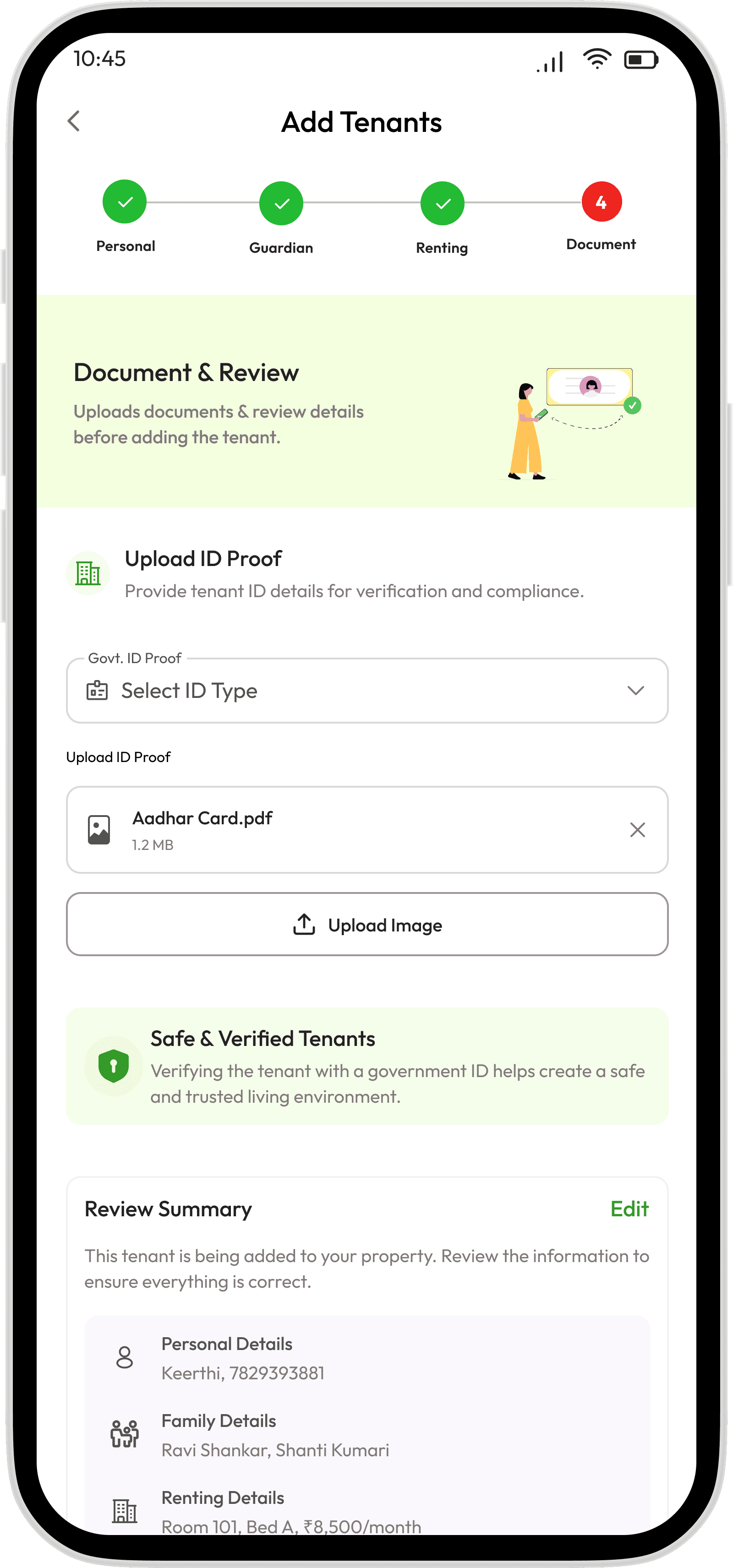
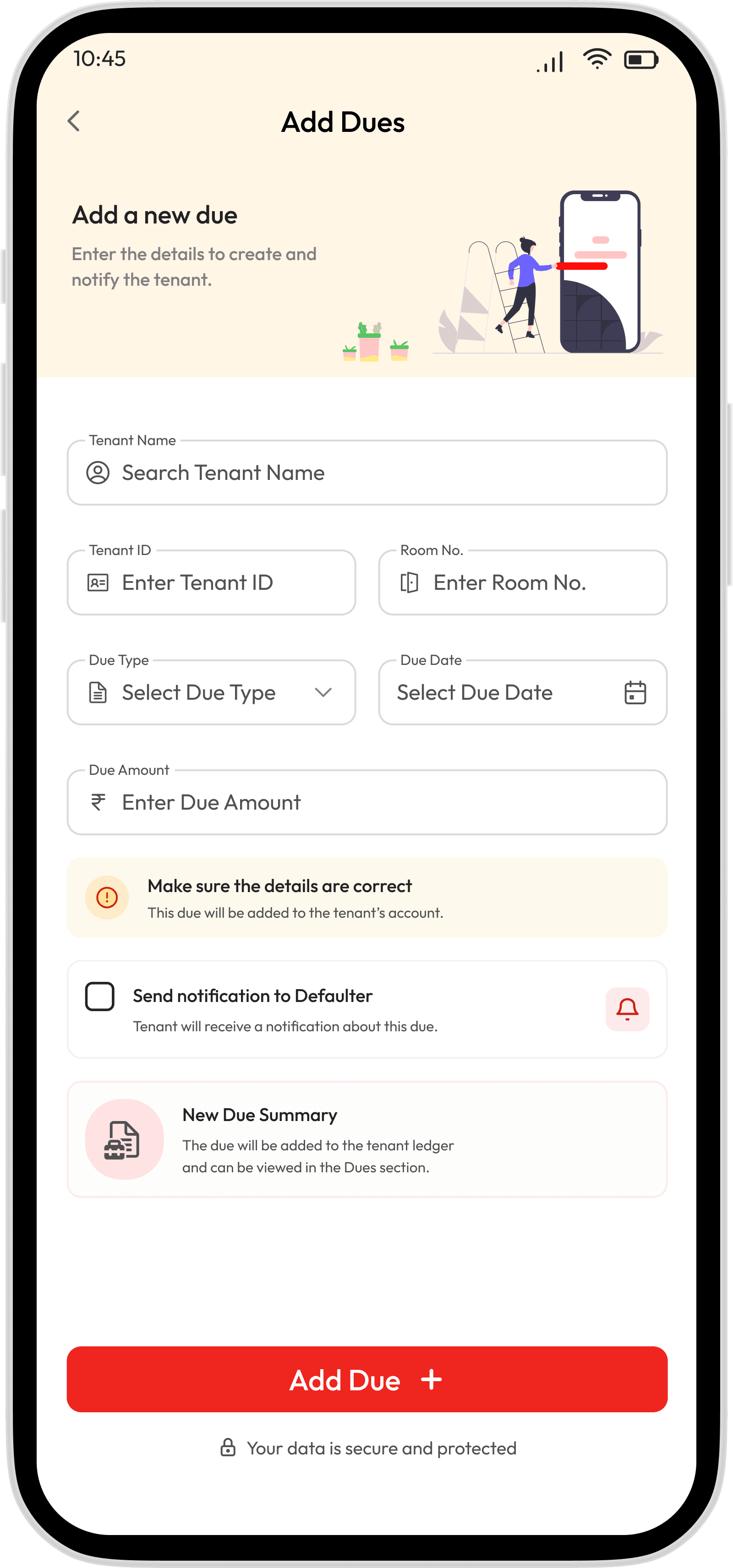
I led the end-to-end design of a hostel management platform across Owner, Tenant, and Super Admin interfaces. Over the course of the project, I designed key workflows including tenant onboarding, room allocation, dues management, expense tracking, agreements, and payments—covering both everyday operations and edge cases.
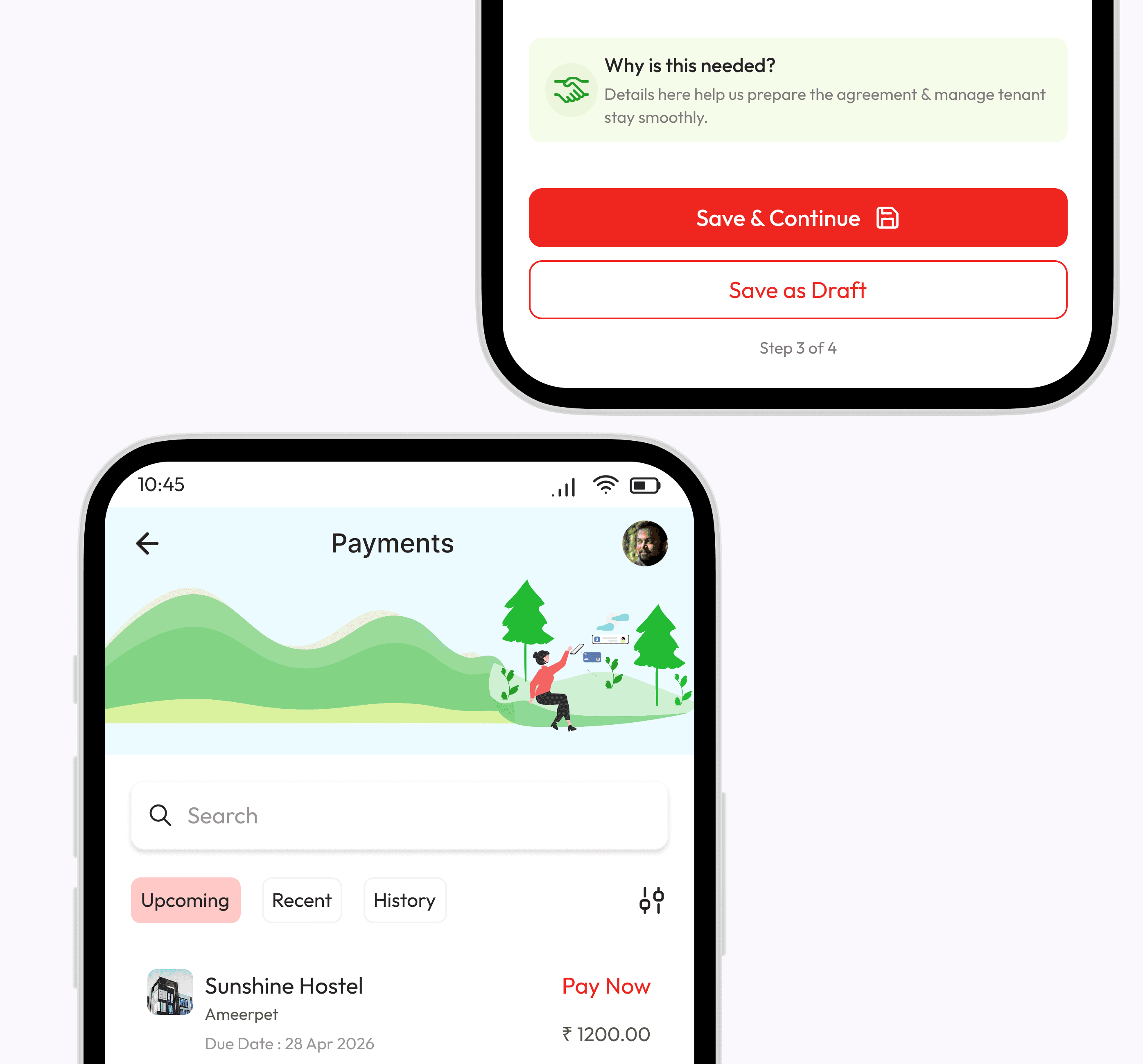
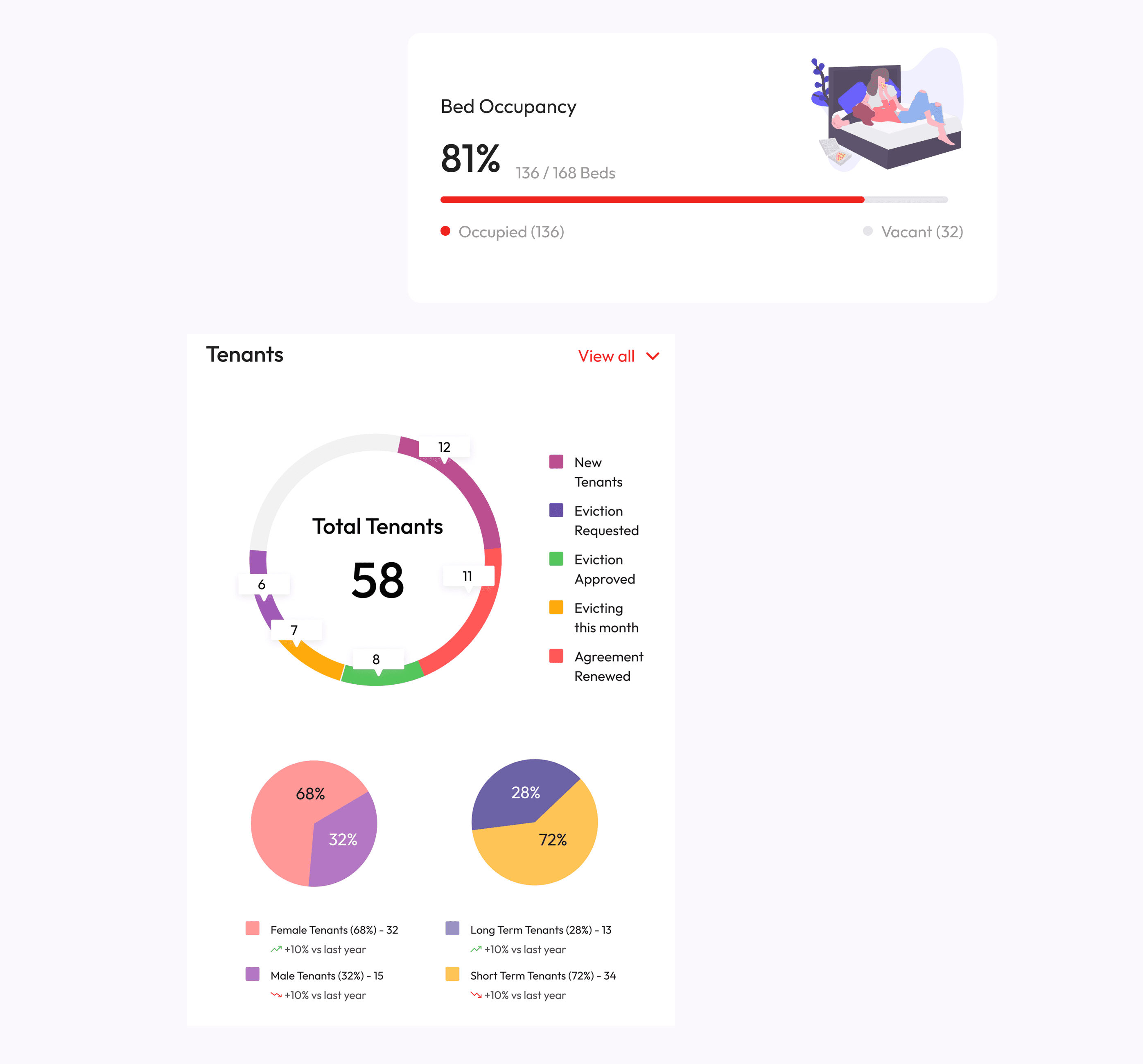
I have designed everything from early wireframing and information architecture to high-fidelity UI design, prototyping, and interaction design. I focused on simplifying complex operational tasks into intuitive, efficient flows that reduce manual effort for hostel owners and staff.
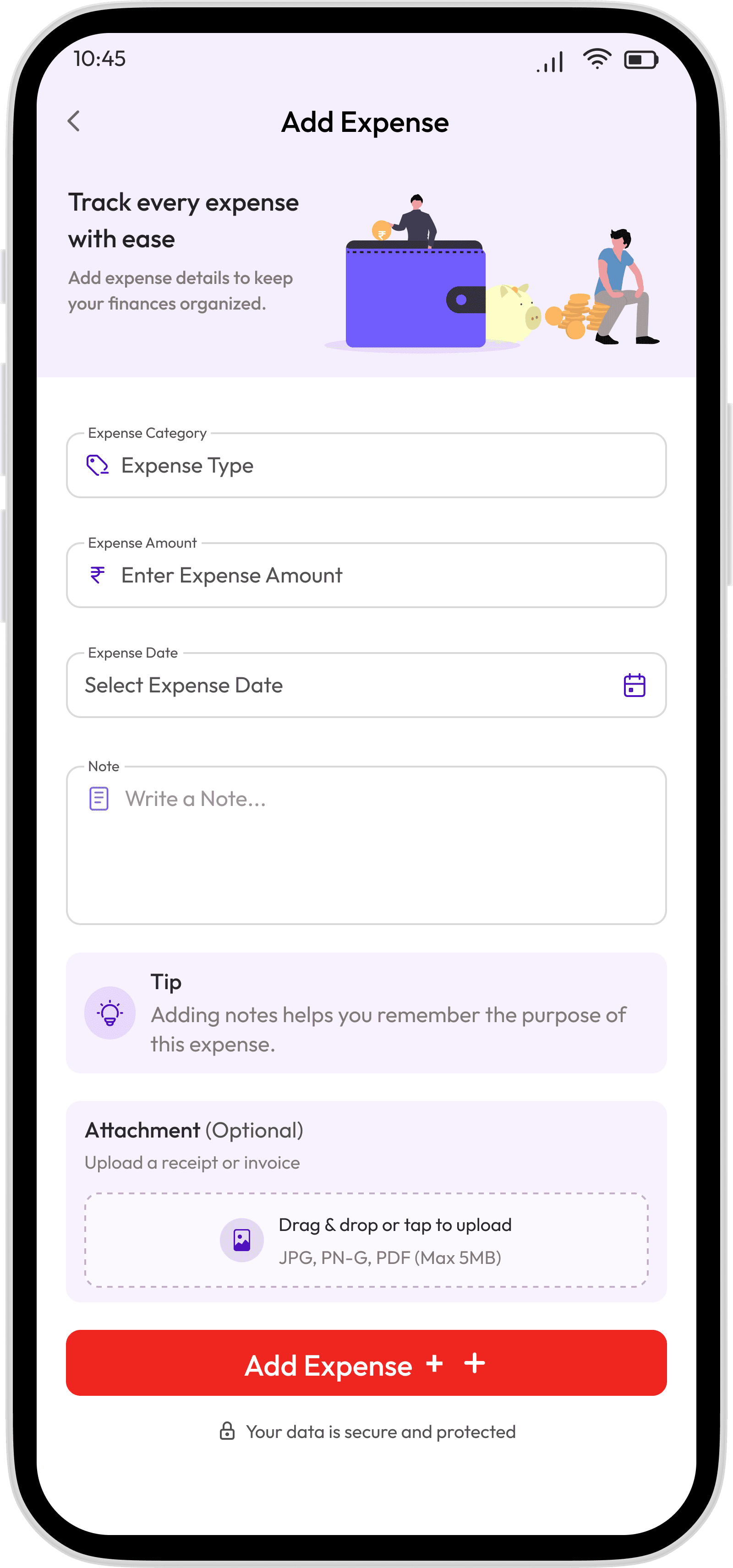
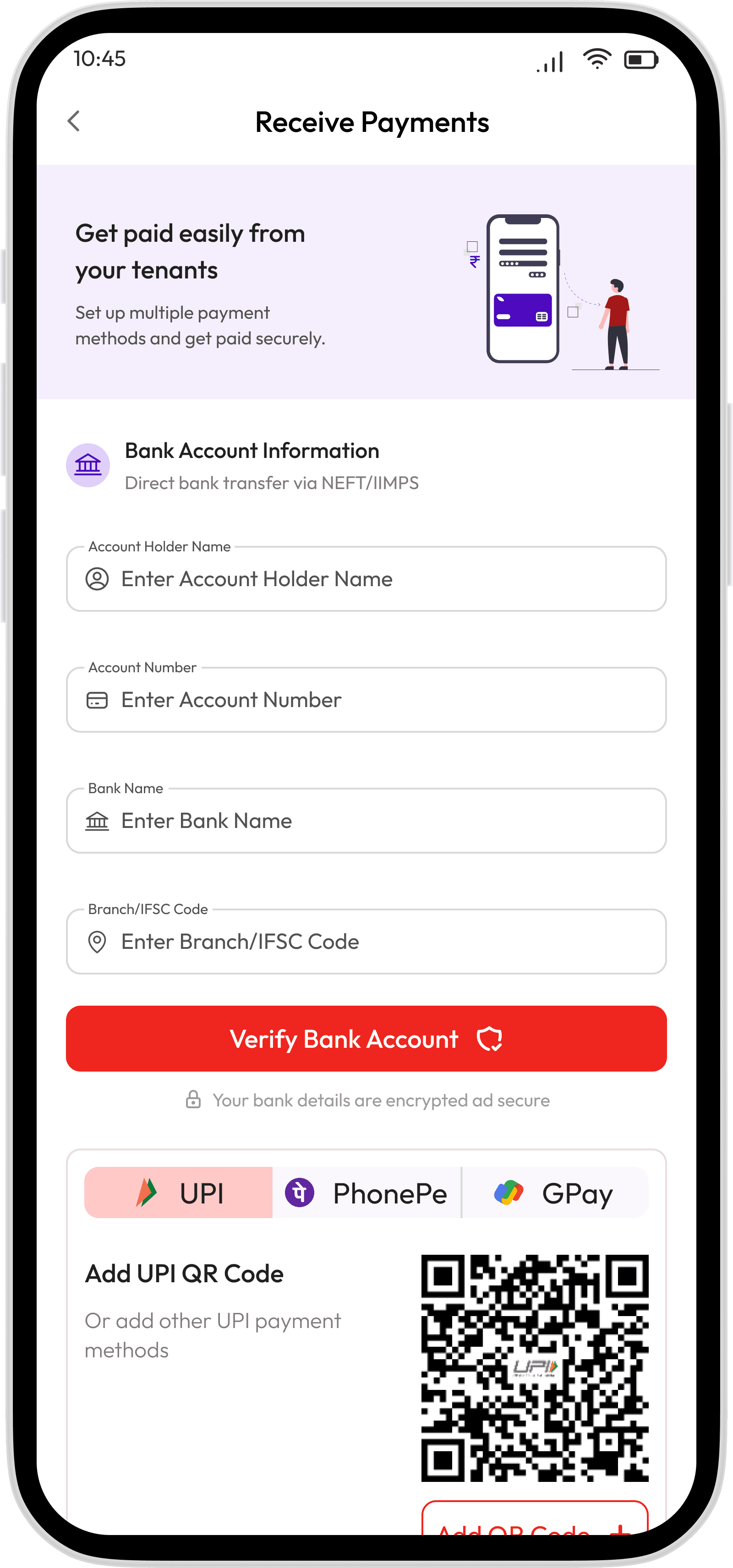
The project is currently in progress, with ongoing iterations based on feedback and usability considerations, focusing on making hostel operations more structured, transparent, and easy to manage.

Create a free website with Framer, the website builder loved by startups, designers and agencies.